1 min read

Regional Communication Networks are Key to a Systems of Care Approach to Medicine.

Regional Communication Networks are Key to a Systems of Care Approach to Medicine.

Tomorrow at 8:00am PST, Pulsara's Founder and CEO, Dr. James Woodson, will be speaking at Take Heart America's State of the Future of Resuscitation Conference in Oakland, CA. The goal of the conference is to "discuss ways to combine the best evidence and experience from the innovative work of the participants to optimize the systems-of-care approach to cardiac arrest."

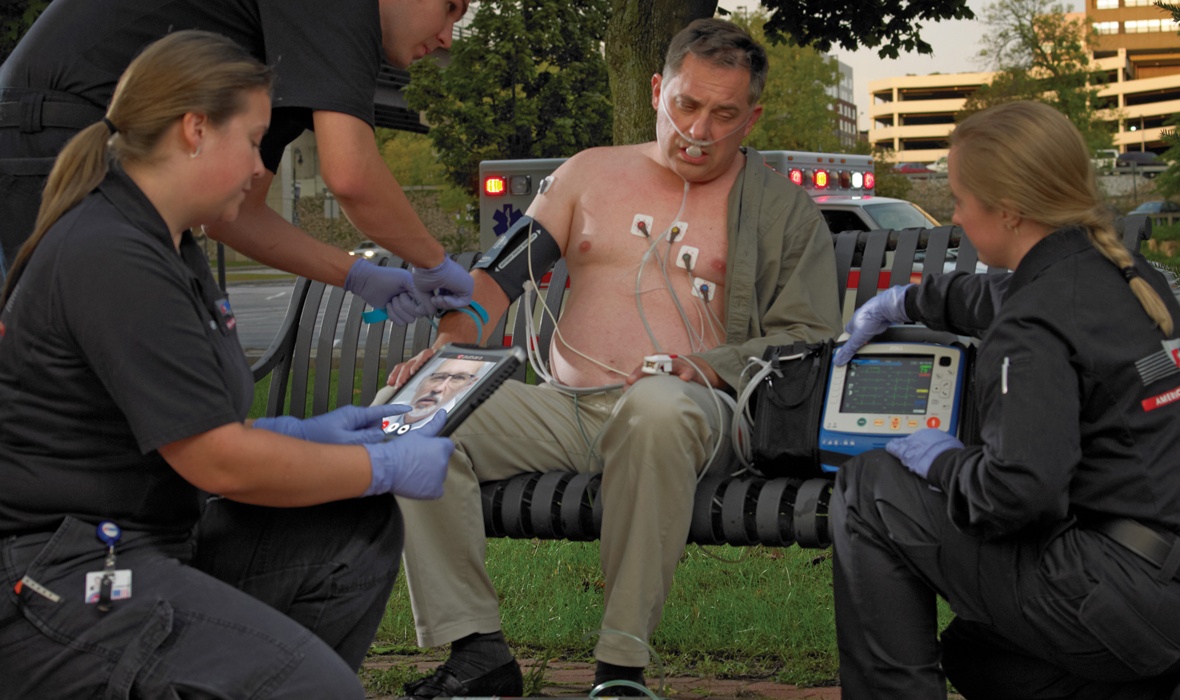
Dr. Woodson will present about the need for regional communication networks, and how they are critical to a systems of care approach to cardiac arrest. 

A recent study published in JAMA Cardiology, and featured in Reuters highlights the importance of this topic. The study aimed to determine whether a difference exists in survival rates for out-of-hospital cardiac arrest depending on which EMS agency first treats the patient. 
 
According to the Reuters summary of the study, "The odds of surviving to hospital discharge could vary by more than 50% for two similar patients treated by two randomly selected EMS agencies."
 
If this substantial and inexplicable difference in survival rates perturbs you, it should. The results aren't attributable to any patient-level or provider-level differences which the study controlled for.
 
We need a STANDARDIZED, system-wide approach to time sensitive emergencies, where all providers are on the same network, and all benchmarks and communications are tracked and can be referred to later for quality improvement. We need a regional communication network that breaks down our provider silos and allows the entire team -- from EMS to definitive care -- to instantly and securely communicate. It's About Time. 
 
New Research Shows Major Improvements in Rural STEMI Treatment Times With Pulsara

New Research Shows Major Improvements in Rural STEMI Treatment Times With Pulsara

A new research study, published in The Journal of the American College of Cardiology (JACC), shows the use of Pulsara in a STEMI-focused initiative...

Read More >>
Case Study: Cy-Fair Fire Department Cuts EMS Offload Times by 77%

Case Study: Cy-Fair Fire Department Cuts EMS Offload Times by 77%

Texas EMS Agency Slashes Hospital Offload Times For Low-Acuity Patients Down from 45 Minutes to 10.2 Minutes with Innovative Door-to-Lobby Protocol ...

Read More >>
Burnout in EMS: Recognize it, Fight it, Overcome it [2025 EMS Trend Survey]

Burnout in EMS: Recognize it, Fight it, Overcome it [2025 EMS Trend Survey]

Editor's Note: In July 2025, EMS1 and Fitch & Associates released their annual EMS trend survey, What Paramedics Want, proudly sponsored by Pulsara....

Read More >>