 Hannah Ostrem
![Body Language is Key to Early Stroke Detection [Video]](https://www.pulsara.com/hubfs/MISC21/MISC/patient-medic-race-stroke-ho-kk-1200x630.jpg)
Pulsara Around the World - August 2026
 Audrey Peart: Jul 30, 2026
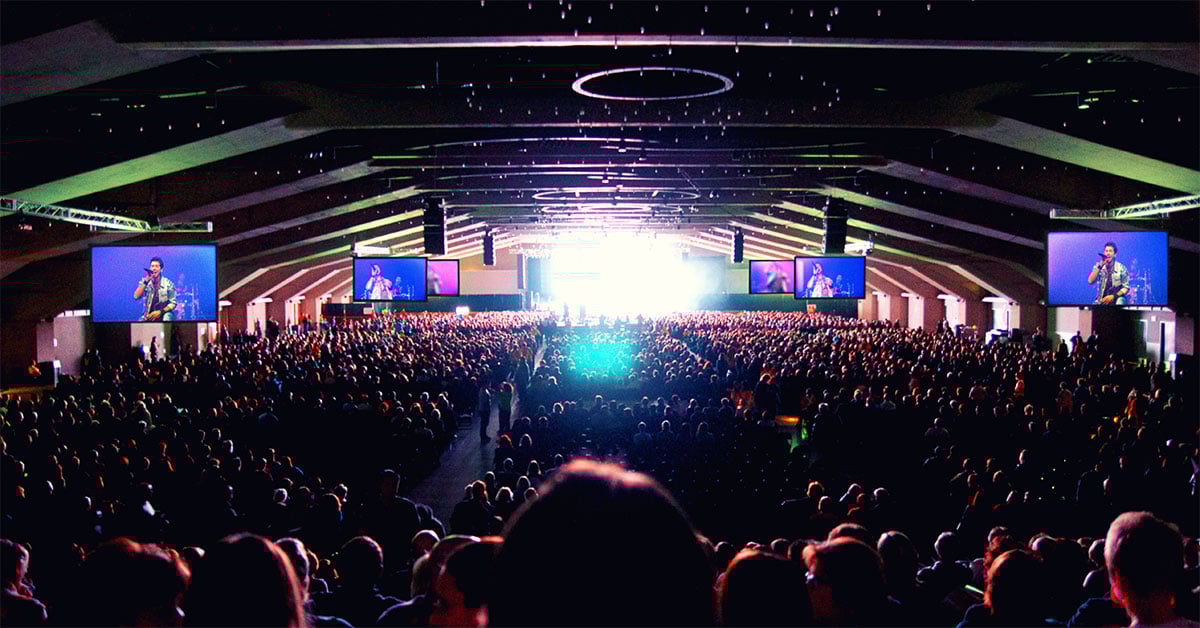
July Recap Supporting Medical Response with Connected CommunicationBetween World Cup matches and fan events, fire/EMS, hospital, and emergency...
 Audrey Peart: Jul 30, 2026
July Recap Supporting Medical Response with Connected CommunicationBetween World Cup matches and fan events, fire/EMS, hospital, and emergency...

 Team Pulsara: Jul 09, 2026
With record-breaking crowds filling stadiums across North America, the 2026 FIFA World Cup is proving to be one of the largest sporting events in...
 Audrey Peart: Jul 01, 2026
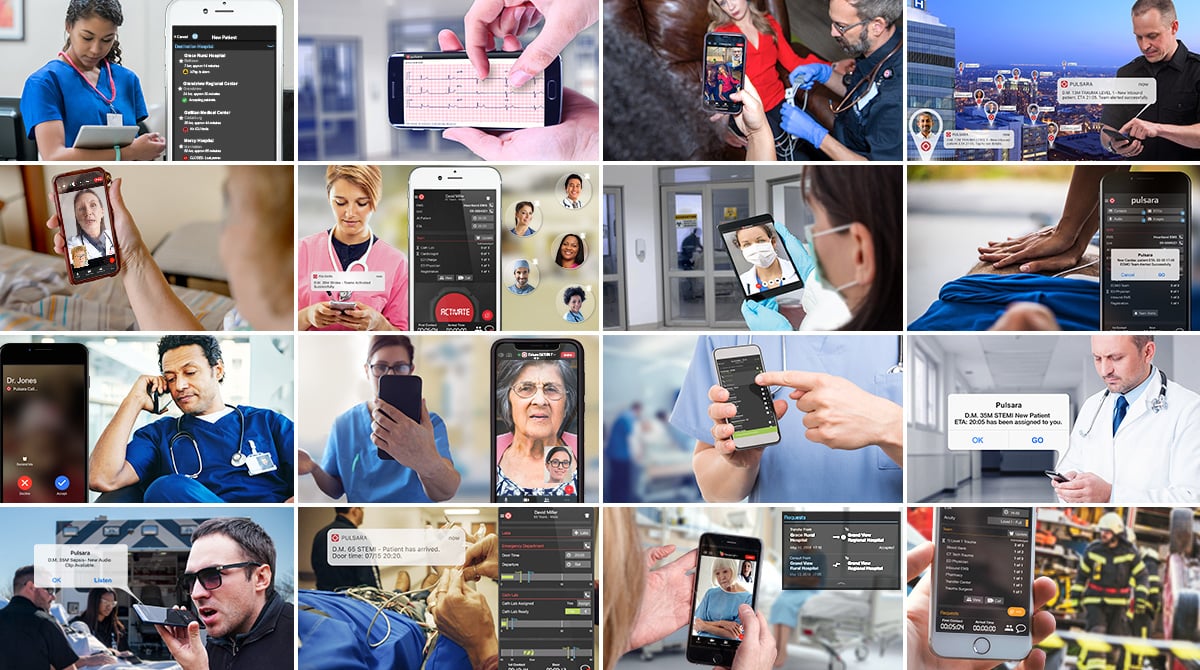
June Recap Optimizing Emergency CareLast month, we released our newest feature, Pulsara Intelligence. Built with clinician needs in mind, Pulsara...