EDITOR'S NOTE: Special thanks to Justin Baker for writing today's blog post. You can connect with him on LinkedIn.
While working with Pulsara and our prospects, it has become apparent to me that some places don’t recognize that they have a need for modern communication technology or that it can improve the quality of their patient care. Some facilities or clients simply do not believe that by continuing to rely on pagers, fax machines, radios, etc. they are contributing to delays in care for their most critically ill patients.
Sometimes, we hear, “I don't understand why we need programs like this, our times are the best in the area,” when, in reality, they are lacking. Providers often say that they like having the ECGs texted or faxed to them. When advised that these methods potentially violate HIPAA standards, some remain unconcerned.
Change is difficult for all. It's much easier to revert back to antiquated methods at the first sign of a challenge with a new system. Younger providers may also receive pressure to agree with the more experienced providers.
But it is time that we move past this archaic mindset and embrace available new technology, especially when it may translate to faster treatment for patients. It is time that hospital administration take a stance to ensure that the patients receive the best possible outcomes, which requires the physicians to utilize the best practices and modern technologies. As the data continues to show improved outcomes, patients will begin to choose facilities based on these results.
Currently, we are still facing old school mindsets bordering on complacency. The old adage of “if it isn’t broken, don’t fix it” is no longer an acceptable school of thought in regards to patient care and outcomes. It is our responsibility to continue to promote the best technology and standards of care for our patients. All members of the patient care team, including hospital staff, administration, EMS and physicians, should want to implement programs that have been shown to facilitate better patient care.
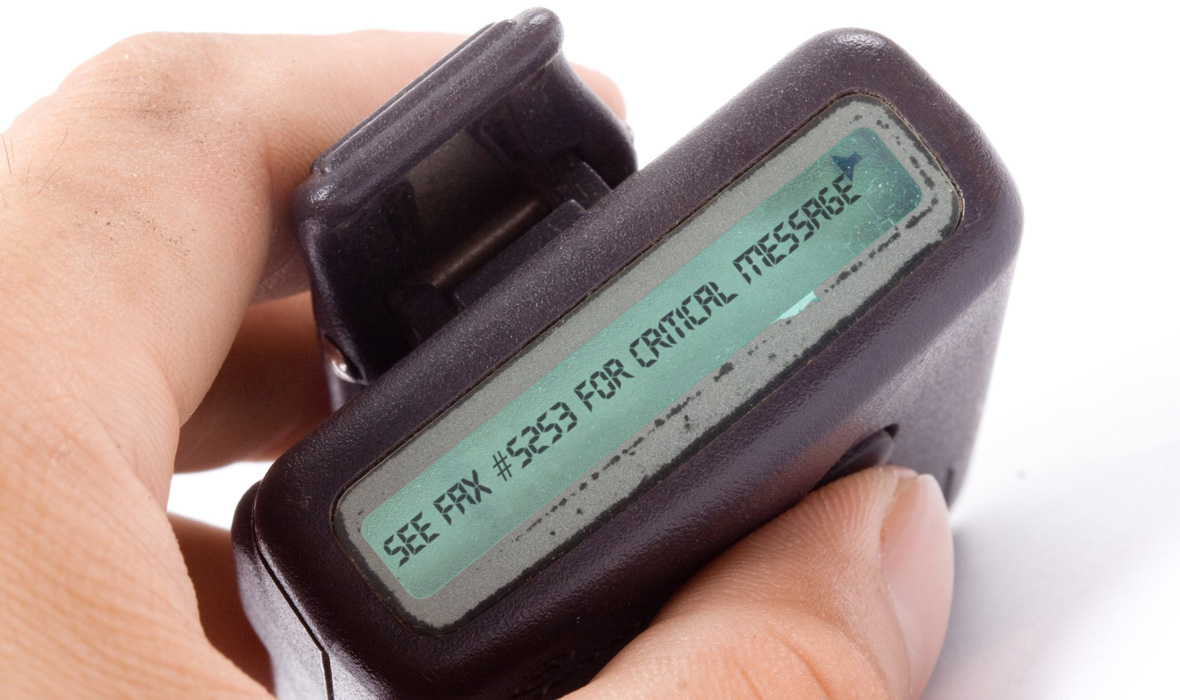
So, what's your excuse for clinging to the pager?
 Team Pulsara
 Audrey Peart: Sep 30, 2026