 James Woodson, MD
Pulsara Around the World - October 2026
 Audrey Peart: Sep 30, 2026
September Recap After a light summer, our events schedule is ramping back up for the final months of 2026. With 10 shows under our belt this month...
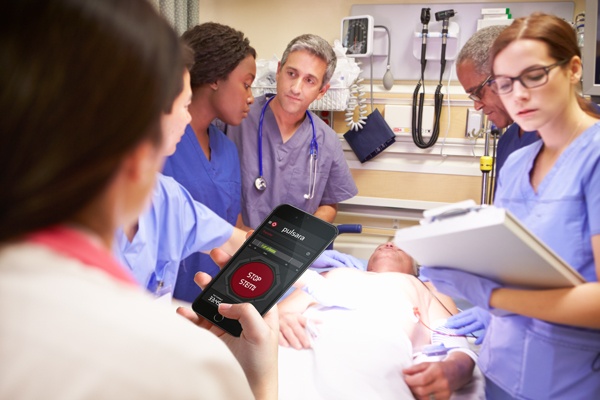
 relevant for STEMI teams today. The aim of the study was to examine the similarities between the STEMI centers that had successfully improved their D2B times over a 3-year period, citing that fewer than half of all STEMI patients receive proper treatment within the guideline-recommended D2B times.
This is critical to motivating and sustaining improvement efforts. And more than just a one-off team building activity, goal setting MUST BE PART OF THE CULTURE if it's truly going to succeed. Once you have your goals in place, external reporting is key to maintaining interest and focus on the targets. Need more help? Pulsara's Universal Clock and built-in workflows make your teams' goals known and meaningful during an active case.
Senior management has the power to make things happen that individual clinicians may struggle to. This power includes things that are crucial to innovation and improvement such as mobilizing resources, managing resistance to change, holding people and teams accountable, and promoting messaging and sharing of performance data.
In order to improve your protocols, everyone must be on the same page. Your team needs to break down your current protocols and continue to refine them, knowing that all protocols have their weaknesses. The only way to make sure those weaknesses don't seep into your quality of care is to continuously measure, evaluate, and improve your protocols.
Successful programs have one or more strong clinical leaders who are committed, tenacious, and uncompromising in their efforts to achieve their system’s stated goals.
Nobody can care for a patient all the way through to definitive treatment by themselves. It requires a team working together and trusting each other.
Rapid, patient-specific data feedback is critical to improvement. You can identify where delays are occurring, motivate changes, reinforce adherence to protocols, make visible the teams’ successes, and sustain new processes over the longer term.
There will be challenges. A non-blaming approach to identifying system problems and a shared vision of improving the patient’s health is key.

 Audrey Peart: Sep 30, 2026
September Recap After a light summer, our events schedule is ramping back up for the final months of 2026. With 10 shows under our belt this month...
 Audrey Peart: Jul 30, 2026
July Recap Supporting Medical Response with Connected CommunicationBetween World Cup matches and fan events, fire/EMS, hospital, and emergency...