 Team Pulsara
Pulsara Around the World - October 2026
 Audrey Peart: Sep 30, 2026
September Recap After a light summer, our events schedule is ramping back up for the final months of 2026. With 10 shows under our belt this month...
![10 Things You Need to Know to Save Lives [Download the Free eBook]](https://www.pulsara.com/hubfs/STOCK-medics-pt-scene-1200x630.jpg)
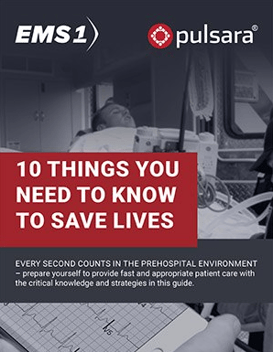
Every second counts in the prehospital environment. As we learn more about better ways to provide care, it’s important for EMS providers to stay informed about the latest skills and strategies for saving lives. Last week, EMS1 published an eBook compilation of articles that each detail ten things you need to know to saves lives.
In this free eBook, you’ll find four articles that each contain a list of ten things you need to know about a major care topic. Three cover different critical-care scenarios you’re likely to face in the field (cardiac arrest, major blood loss, and acute pain), and the fourth discusses best practices for handling patient handovers.
Learn more about:
 How the effects of shock due to major blood loss (hypovolemic shock) rapidly become irreversible, so quick identification and intervention are critical.
Use the knowledge and strategies in this guide to better understand these scenarios, then share it with your colleagues. Discuss your own agency's policies and procedures, implement changes, and monitor improvements in patient outcomes.
Download 10 Things You Need to Know to Save Lives here.

For more on recent developments in EMS, check out our coverage of the 2020 EMS Trend Report.
 Audrey Peart: Sep 30, 2026
September Recap After a light summer, our events schedule is ramping back up for the final months of 2026. With 10 shows under our belt this month...
 Audrey Peart: Jul 30, 2026
July Recap Supporting Medical Response with Connected CommunicationBetween World Cup matches and fan events, fire/EMS, hospital, and emergency...